Complex and High-risk Lifts

Thorough planning and experienced crews.

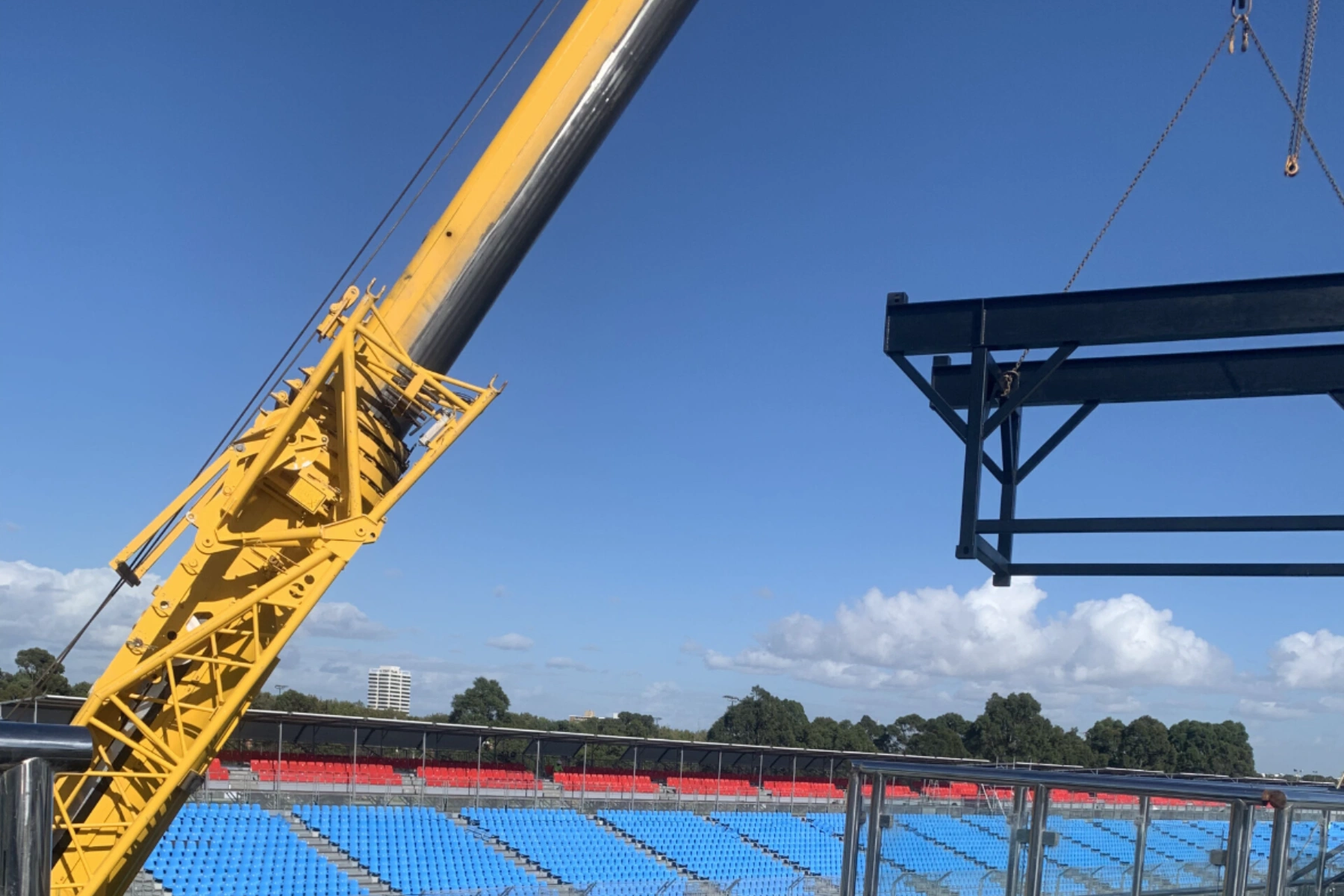
Ram’s Cranes and Rigging has the experience, qualifications, and systems to plan and execute complex and high-risk lifts across a range of industries and site types.
We apply more rigour on the hard jobs, not less. Every complex lift starts with thorough planning, documented risk management, and a crew that knows what they are doing when the margin for error is small.
The service

Planned Carefully. Executed With Precision.

Complex lifts start long before the crane arrives on site. We assess conditions, calculate requirements, and prepare comprehensive lift plans and risk documentation before anything leaves the ground.
Our crew brings real experience across technically demanding lifts including tandem crane operations, lifts in confined spaces, high-capacity picks, and non-standard load configurations.

FAQs

Complex and High-Risk Lifts FAQs

Got questions? We have got you covered.

What qualifies as a complex or high-risk lift?
In Australia, a high-risk lift is generally defined by factors such as proximity to overhead services, work near energised equipment, lifts over occupied areas, tandem crane operations, or lifts where the load exceeds a defined percentage of the crane’s rated capacity. We assess each situation carefully and apply the appropriate controls.
High-risk lifts require a formal lift plan prepared by a qualified person, along with a detailed SWMS, risk assessment, and in some cases, engineering sign-off. We manage all of this documentation as part of our service.
Yes. Tandem lifts involve two cranes working together to lift a single load and require precise coordination, load sharing calculations, and clear communication between operators. Our crew has experience in tandem crane operations and manages the planning and execution carefully.
Every complex lift begins with a thorough site assessment and lift planning process. We identify the specific risks for each job, put the right controls in place, brief the crew before work begins, and maintain clear communication throughout the lift.
Yes. We have experience operating in constrained sites with limited crane access or positioning options. We assess these conditions during the planning stage and determine the right crane and rigging configuration to work safely within the space available.
If you are unsure, contact us and describe your job. We will ask the right questions, assess whether a formal complex lift process is required, and walk you through what is involved. We would rather have that conversation early than after a problem arises on site.